

Preventing Employee Slips, Trips and Falls
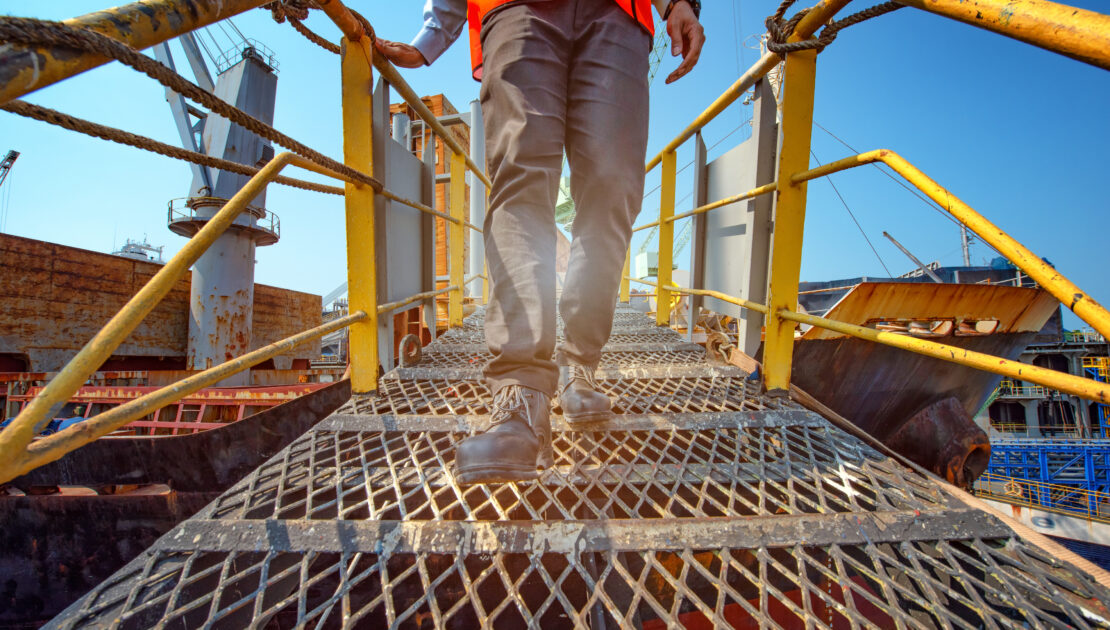
Fall weather can create new workplace hazards as rain, mud and fallen leaves make walking surfaces slippery. Shorter daylight hours can also reduce visibility around entrances, sidewalks and parking areas. Without proper precautions, these changing conditions can contribute to employee injuries, workers’ compensation claims and operational disruptions.
Common Seasonal Hazards
Slip, trip and fall hazards can develop indoors and outdoors. Common examples include:
- Water, mud and debris tracked through building entrances
- Wet floors without warning signs or barriers
- Loose mats, damaged flooring and uneven walking surfaces
- Clutter, cords or other objects obstructing aisles
- Leaves concealing potholes, curbs or surface damage
- Inadequate lighting near entrances, stairs and parking areas
- Improper ladder use during seasonal maintenance
Routine inspections can help employers identify these conditions before an incident occurs. Employers should also ensure that walking-working surfaces are properly maintained. OSHA requires these surfaces to be kept clean, orderly and sanitary, as well as free of hazards such as sharp objects, corrosion, leaks, spills, snow and ice.
The Impact on Employers
Even a minor fall can cause injuries requiring medical care and time away from work, resulting in workers’ compensation claims, lost productivity and potential liability. Because seasonal hazards are predictable, employers can address them before conditions worsen.
Reducing Slip, Trip and Fall Risks
Employers can help protect workers with the following:
- Inspect walking surfaces regularly, especially after weather changes.
- Clean moisture promptly and mark wet areas.
- Secure or replace loose and damaged mats.
- Repair damaged floors, stairs, sidewalks and parking areas.
- Remove leaves and debris that conceal hazards.
- Maintain adequate indoor and outdoor lighting.
- Keep aisles, exits and work areas clear.
- Train employees to identify and report hazards.
- Reinforce ladder safety for seasonal tasks.
- Encourage employees to wear appropriate footwear for the workplace and weather conditions.
Going Forward
Seasonal slip, trip and fall hazards are often preventable. Regular inspections, good housekeeping and prompt corrections can protect workers, reduce claims and minimize disruptions throughout the workplace. Contact us today for additional workplace safety resources.
Article Published By: Zywave, Inc.
