
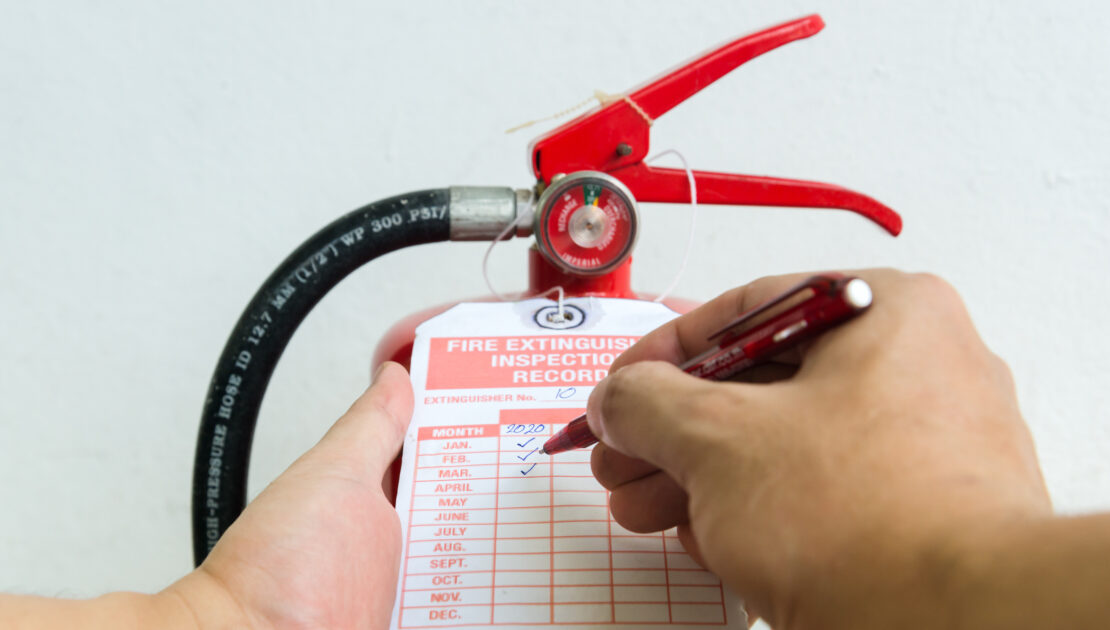
Fighting a fire can be intimidating, but by staying calm and remembering the types of extinguishers and how to use them, you can safely fight small fires. Using the wrong extinguisher can spread the fire or expose you to electrical hazards, so confirm the label, use the PASS method, and evacuate if the fire grows. Familiarize yourself with these facts about fire extinguisher safety in your workplace.
Safety Tips
Follow your workplace emergency action plan. You should fight a fire only if you are trained, and your workplace emergency action plan allows it. Some workplaces have a total evacuation policy that prohibits employees from fighting fires at all.
Know when to fight a fire with an extinguisher. Only attempt to extinguish a small, manageable fire in its early stages if you have been trained, the correct extinguisher is available, and you have a clear escape route behind you. Avoid fighting fires with heavy smoke or those that are spreading. If you are unsure or the fire is growing, evacuate immediately and call 911 from a safe location.
Keep fire extinguishers accessible and report problems. Make sure extinguishers are not blocked or obstructed. Promptly report any missing, damaged, discharged or improperly located extinguishers to your supervisor. Inspections, maintenance and recharging should be handled by designated personnel.
Ensure there is an available escape route. Position yourself between the fire and an available exit. If possible, identify multiple escape routes before fighting a fire.
Do not attempt to fight a fire involving unknown materials or chemicals. Evacuate and notify emergency responders.
Never turn your back on a fire. Always be aware of the fire’s size and location when preparing to fight it.
Know the PASS method. Learn the acronym PASS to use a fire extinguisher correctly:
Pull the pin. Make sure your hand is not on the lever while you pull the pin.
Aim the nozzle at the base of the fire. The base of the fire will recede away from you, so make sure to adjust your aim.
Squeeze the lever. The discharge will continue while you are squeezing the lever.
Sweep the nozzle side to side. Make sure to cover the entire base of the fire.
Understand the uses for each fire extinguisher. Reference this list to learn the appropriate use of each class of extinguisher:
- Class A: Intended for ordinary combustibles such as wood, paper, cloth, and plastics
- Class B: Intended for fires in oils, gasoline, some paints, lacquers, grease, solvents, and other flammable liquids
- Class C: Intended to be used on energized electrical equipment fires
- Class D: Intended to be used on combustible metals such as magnesium, titanium, sodium and potassium
- Class K: Intended to be used for fires involving cooking oils and fats in commercial cooking equipment
- Multipurpose ABC dry chemical extinguisher: Cover all fires that Class A, B and C fire extinguishers can cover
Key Points
Fight a fire only if it is small, you are trained and you have a clear exit. Always sound the alarm first, and evacuate whenever you are unsure, because lives come before property.
Article Published By: Zywave, Inc.
