
Navigating Electric Vehicle Charging Infrastructure Risks
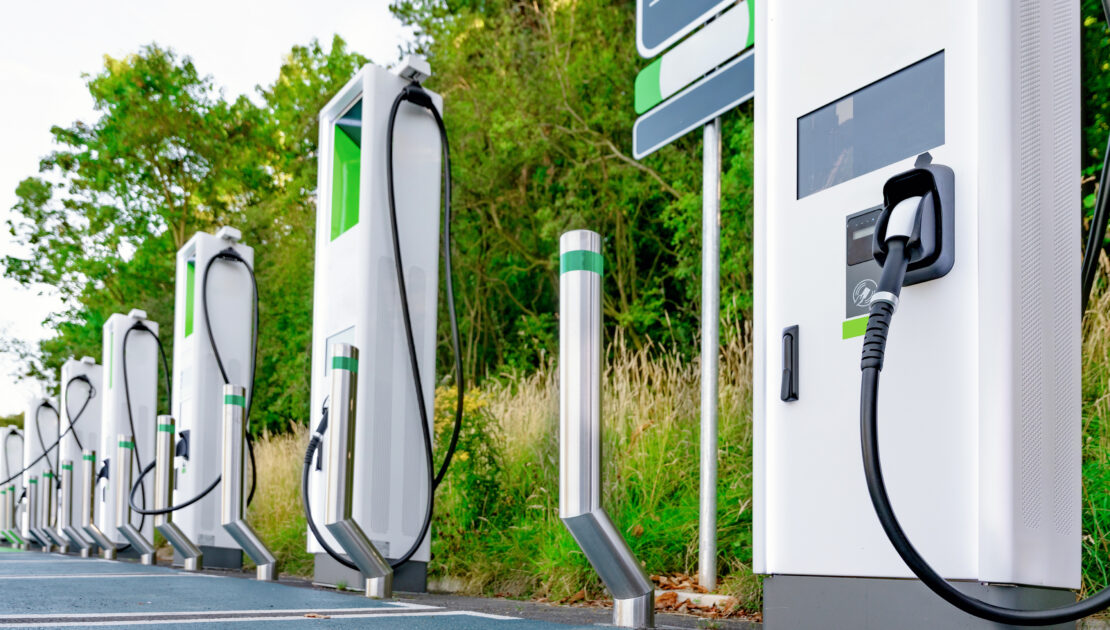
As the electric vehicle (EV) market continues to expand, a growing number of businesses have added EV charging spaces to the parking lots, garages and fleet yards of their commercial properties. While these spaces are certainly beneficial for EV drivers, they also carry substantial risks not found in standard parking infrastructure, particularly regarding fire safety.
These risks mainly stem from the power drawn during charging and the nature of EV batteries. Without proper installation and maintenance, these risks could prompt serious electrical failures, property damage and operational disruptions. They also pose unique commercial property insurance considerations that must be assessed before a loss occurs.
With this in mind, it’s vital for businesses to clearly understand and manage their EV charging infrastructure exposures. This article provides more information about the primary risks associated with these charging spaces, explains what this means for property coverage and offers key mitigation strategies.
Primary Risks
EV charging spaces consume massive amounts of energy at a rapid rate, pulling much more power than standard electrical outlets. When businesses add several charging spaces to their commercial properties without first confirming the building’s overall electrical capacity, they could easily overload panels and wiring, potentially leading to widespread overheating and fires. Complicating matters, EV battery-based fires behave differently from typical fires. When an EV battery overheats, it usually triggers a chain reaction, producing flames that burn longer and hotter than those in a conventional vehicle fire. These types of fires are also extremely difficult to control, as they are prone to reignition and often require extra water to extinguish.
In light of these risks, most municipalities enforce specific building and fire codes for EV charging spaces, namely standards published by the National Fire Protection Association (NFPA). For example, the National Electrical Code (NEC), also known as NFPA 70, outlines certain guidelines for how these charging spaces should be wired and installed, including required shutoffs and ventilation capabilities for indoor layouts.
In addition to these standards, multiple fire protection organizations are currently evaluating how EV charging spaces can influence fire safety in parking structures and fuel stations. This has resulted in new and evolving standards that address topics such as appropriate charger locations, electrical load management, equipment testing and sprinkler system design.
Even if EV charging spaces are correctly installed and meet applicable building and fire codes, poor maintenance over time and a failure to repair damaged charging equipment can create ongoing electrical hazards. This, in turn, can leave commercial properties still susceptible to destructive fires, damaged infrastructure and operational shutdowns.
Property Coverage Considerations
Whether commercial property insurance applies to EV charging spaces depends on specific building layouts and policy terms. For example, how charging equipment is classified—as a permanently attached fixture versus separate business personal property—can affect how a claim is valued and whether it’s covered under the base policy or requires a separate declaration.
Even then, coverage may be contingent upon compliance with applicable building and fire codes and Underwriters Laboratories (UL) listings, whereas certain losses may require additional policy endorsements. Based on the nature of their property insurance, businesses may also want to consider the following coverage options for their EV charging spaces:
- Business interruption insurance—Typically offered as an endorsement to commercial property insurance or as part of a business owner’s policy (BOP), this coverage may compensate a business for lost income if a fire involving EV charging equipment or a vehicle battery forces a suspension of critical operations.
- Equipment breakdown insurance—Usually available as an endorsement to commercial property insurance, as part of a BOP or through a standalone policy, this coverage may reimburse a business for the resulting restoration expenses if EV charging equipment is affected by unexpected mechanical or electrical failures.
Because coverage for EV charging spaces can vary significantly between insurers, businesses should work with a trusted insurance professional, such as a broker, to determine their particular coverage needs and understand how their policies will respond to potential losses before they occur.
Mitigation Strategies
Fortunately, there are steps businesses can take to reduce EV charging infrastructure risks and limit the likelihood of large-scale losses:
- Consult the experts. Businesses should reach out to licensed architects and electricians to confirm that their commercial properties have ample power capacity before installing EV charging spaces and to ensure appropriate layouts for these spaces.
- Comply with applicable building and fire codes. It’s imperative that businesses carefully review and maintain compliance with applicable building and fire codes during the design and installation of their EV charging spaces. This includes the NEC, other NFPA standards and any locally adopted codes. Furthermore, businesses should ensure that all charging equipment is UL-listed and configured to allow proper clearance and ventilation, especially for indoor layouts.
- Conduct routine inspections and maintenance. Businesses should keep their EV charging spaces and related equipment (e.g., chargers and cables) on documented inspection and maintenance schedules, in line with manufacturer recommendations. Inspections and maintenance should be performed by trained personnel, with any necessary repairs conducted by qualified contractors. It’s best to form solid relationships with multiple contractors before repairs are needed to ensure prompt service.
- Protect against collisions. Since charger-vehicle collisions can increase fire exposures, businesses should implement physical safeguards to protect this equipment from impact. Potential solutions may include concrete bollards, safety railing, wheel stops and wall guards.
- Make plans with the fire department. In reaching out to the local fire department, businesses can learn more about the unique hazards posed by their EV charging spaces and update their emergency action plans accordingly. These plans should specifically address EV battery-based fires and related suppression efforts, as these fires call for different tactics than traditional vehicle fires.
Key Takeaways
- EV charging infrastructure offers valuable benefits, but it also introduces fire risks that businesses can’t afford to overlook. By understanding potential exposures, reviewing coverage options and implementing proactive safety measures, businesses can confidently expand their EV charging offerings while protecting their properties, operations and bottom line. Contact us today for additional risk management guidance and coverage solutions.
Article Published By: Zywave, Inc.
