Addressing 5 Common Sources of Water Damage Claims
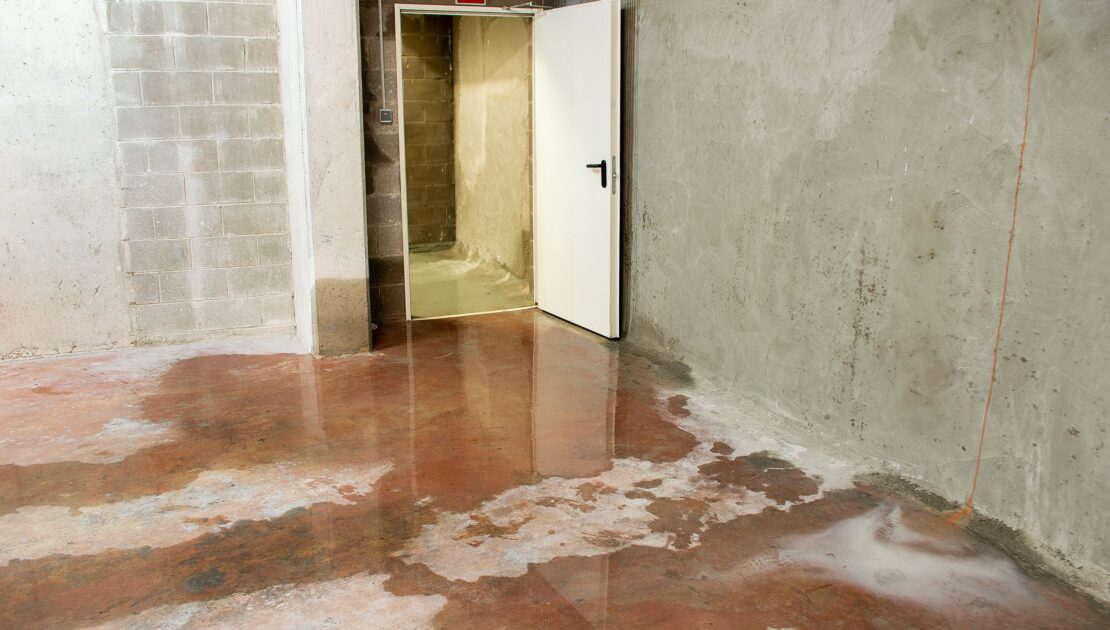
Businesses often associate water damage with storms, flooding and other weather-related events. Significant losses, however, can arise from a variety of other sources. A pipe fitting could fail overnight, flooding a lower floor and damaging property; a water heater may rupture without warning, damaging inventory and equipment; or a malfunctioning sprinkler head may discharge water into a server room, destroying critical systems in minutes. These and other incidents can cause substantial property damage, placing considerable financial strain on affected businesses. Beyond repair and replacement costs, organizations may also suffer lost revenue and operational delays, ultimately undermining profitability.
Fortunately, organizations can proactively protect their property by understanding the events that commonly cause water damage losses and taking steps to prevent them. This article highlights five common sources of water damage claims.
1. Burst or Frozen Pipes
Pipes can fail for several reasons, including freezing temperatures, sudden pressure changes and age-related corrosion or deterioration. A pipe that bursts inside a wall or ceiling can go unnoticed until significant damage has already occurred.
Some commercial property policies limit coverage for freezing damage unless the business took reasonable steps to keep the building heated or to shut off and drain the plumbing. Coverage can also differ between the failed pipe itself and the water damage it causes.
Consider the following risk-mitigation measures:
- Insulate pipes in cold-exposed areas and maintain appropriate building temperatures during colder months.
- Inspect pipes and fittings regularly for signs of corrosion, leaks, deterioration or wear.
- Know the location of water shutoff valves and ensure employees can access them quickly if necessary.
- Install water-detection devices and, where appropriate, automatic shutoff systems in high-risk areas, such as server rooms and basements.
2. Water Heater and Appliance Failures
Water heaters, dishwashers, washing machines and refrigeration units can all fail unexpectedly. A failed valve, ruptured tank or deteriorated supply line may go unnoticed until water has already seeped into surrounding building materials, particularly if the appliance is located in a low-traffic area.
Consider the following risk-mitigation measures:
- Inspect water heaters, appliances and supply lines regularly for signs of leaks, corrosion or wear.
- Replace aging appliances and supply lines according to manufacturer-recommended intervals.
- Install drip pans and water-detection devices near or beneath appliances in high-risk locations.
- Track appliance age and maintenance history to help identify units that may require replacement.
3. Sprinkler System Malfunctions
Fire sprinkler systems are designed to protect property, but malfunctions can result in significant water damage. A damaged sprinkler head, frozen sprinkler line or accidental discharge may release water unexpectedly, even where no fire has occurred, causing significant damage to building materials, inventory and equipment.
Consider the following risk-mitigation measures:
- Inspect, test and maintain sprinkler systems in accordance with applicable standards.
- Keep spaces with water-filled sprinkler piping heated, and use dry-pipe systems or heat tracing where heat can’t be maintained. Repair or replace damaged, corroded or leaking sprinkler components promptly.
- Train employees to recognize warning signs of sprinkler system problems, such as corrosion or discoloration.
4. Roof and Building Envelope Leaks
Gradual water intrusion can also result from deferred maintenance rather than a single severe weather event. Deteriorated roof membranes, clogged drains and gutters, and failed flashing or sealant around windows, doors, and roof penetrations can allow water to slowly enter a building over time, often causing hidden damage before it’s discovered.
Policies often cover interior damage from rain or snow only when a covered event, such as a storm, first damages the roof or walls. Leaks that develop over time because of wear, deterioration or deferred maintenance are commonly excluded.
Consider the following risk-mitigation measures:
- Inspect roofs regularly, particularly after seasonal temperature extremes or significant weather events.
- Keep drains, gutters and downspouts clear of debris to maintain proper water flow.
- Repair damaged flashing, sealants and roof membranes promptly.
- Document inspections and maintenance activities to support timely repairs and future claims.
5. Sump Pump and Drainage Failures
Basements and other below-grade spaces often rely on sump pumps and drainage systems to manage groundwater. A power outage, mechanical failure or overwhelmed drainage system may allow water to accumulate quickly, potentially causing significant damage.
Commercial property policies commonly exclude water that backs up through drains or overflows from a sump pump. Coverage can often be added by endorsement, but groundwater and flood damage are typically excluded separately, and endorsement terms vary by carrier.
Consider the following risk-mitigation measures:
- Install battery backup or generator power for sump pumps to maintain operation during power outages.
- Test sump pumps regularly to confirm they are functioning properly.
- Keep drainage systems well-maintained to help prevent blockages and backups.
- Install water-detection devices in basements and other below-grade areas.
Key Takeaways
Water damage can arise from various sources, causing significant losses for affected businesses. Fortunately, early detection and proactive maintenance can help organizations reduce the likelihood and severity of losses. In addition to these measures, commercial property insurance can help protect against covered water-damage losses, although coverage depends on the policy terms and the cause of loss.
For more risk management guidance or to discuss commercial property insurance, contact CMR Risk & Insurance Services, Inc. today.
Article Published By: Zywave, Inc.
