

The Importance of Keeping Fire Doors Closed
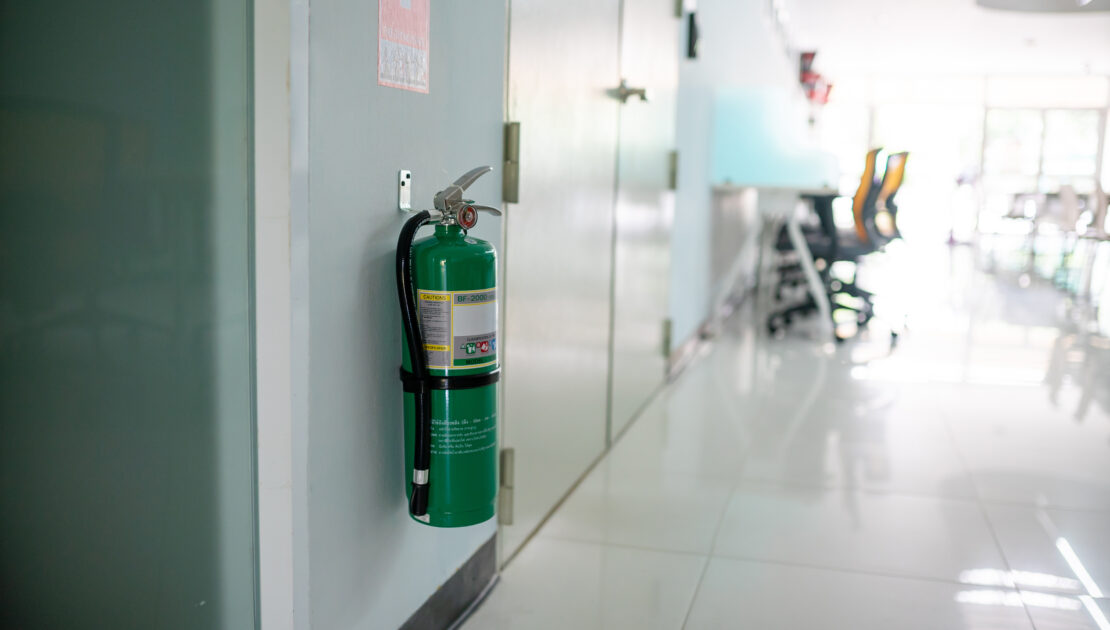
When a fire breaks out in a commercial building, the first few minutes can determine the outcome. Flames and smoke can move quickly, spreading far beyond the area where the fire began. While automatic sprinkler systems and alarms play an important role, one of the most effective tools for limiting fire damage is often overlooked: the fire door. Fire doors are specifically designed to slow the spread of fire and smoke, but they can only perform this function when they are closed.
When properly closed and latched, fire doors help divide a structure into fire-resistive sections, limiting how far flames and smoke can travel. This containment protects exit corridors and stairwells, allows occupants additional time to evacuate and supports more effective firefighting efforts. In many scenarios, closed fire doors significantly reduce overall property damage and business interruption.
Standards developed by the National Fire Protection Association (NFPA), including NFPA 80, stress that fire doors must be maintained in working condition and free of obstructions. A fire door that is propped open or prevented from closing cannot perform its intended function. Even a small opening can allow smoke and heat to move freely into other areas of a building, defeating the purpose of the fire-rated barrier. Therefore, it’s crucial for employers to understand the risks posed by open fire doors and implement best practices for fire doors.
The Risk of Open Fire Doors
When fire doors are left open, several serious consequences can occur:
- Smoke spreads rapidly throughout adjacent spaces, reducing visibility and increasing the risk of smoke inhalation for occupants attempting to evacuate.
- Fire moves beyond its point of origin more quickly, allowing flames and heat to reach areas that would otherwise be protected by fire-rated separations.
- Exit routes and stairwells may become unusable, limiting safe evacuation options and increasing the likelihood of injuries or fatalities.
- Fire suppression efforts become less effective as firefighters face a larger, less contained fire that is harder to control.
- Property damage and business interruption losses increase significantly as fire affects more of the building and extends recovery time.
From an insurance perspective, propped-open fire doors are frequently associated with larger claims, extended downtime and higher repair costs, particularly when fire spreads beyond its initial area of origin.
Common Reasons Fire Doors Are Left Open
Fire doors are rarely left open with the intent of creating a hazard. In most cases, the issue stems from day-to-day operational pressures, building comfort concerns, or a lack of understanding about how fire doors function. Common reasons why fire doors are left open include the following:
- Opening fire doors may help with temperature control or ventilation, particularly in areas where airflow is limited or heating and cooling systems are uneven.
- Frequent foot traffic or the movement of carts, pallets and equipment can lead employees to prop doors open for convenience and efficiency.
- Some employees perceive closed fire doors as an inconvenience that slows down routine tasks or disrupts normal workflows.
- A lack of awareness of fire doors’ purpose and role in containing fire and smoke can lead employees to underestimate the risks of leaving them open.
- Broken, damaged or poorly maintained self-closing mechanisms may prevent fire doors from closing properly, leading occupants to leave them open rather than report the issue.
Best Practices to Follow
Fire doors are most effective when they are consistently used, properly maintained and supported by clear workplace expectations. To reduce fire risk, support code compliance, and limit the potential severity of losses, businesses should adopt the following best practices as part of their overall safety and risk management programs:
- Never prop fire doors open unless they are equipped with approved automatic hold-open devices that are designed to release and allow the door to close when a fire alarm or detection system is activated.
- Ensure fire doors fully close and latch without obstruction so they can perform as intended during a fire and maintain the integrity of fire-rated barriers.
- Conduct regular inspections of fire doors and associated hardware according to applicable NFPA standards to identify damage, missing components or conditions that could prevent proper operation.
- Repair damaged hinges, closers, seals or latching mechanisms promptly to prevent small deficiencies from compromising the door’s fire-resistance rating.
- Train employees on the purpose and importance of fire doors so they understand why doors must remain closed and how their actions affect overall fire safety.
- Post clear and visible signage reminding workers to keep fire doors closed.
- Include fire door checks as part of routine safety audits and facility inspections to reinforce accountability and ensure ongoing compliance.
Keeping fire doors closed is one of the simplest and most cost-effective steps a business can take to reduce fire risk. When these doors are used as designed, they protect lives, limit property damage and help preserve operations. When they are held open or neglected, they can allow a small fire to escalate into a significant and costly loss.
Contact us today for more risk management guidance.
Article Published By: Zywave, Inc.
