
2026 Midterm Results: Employee Benefits Outlook
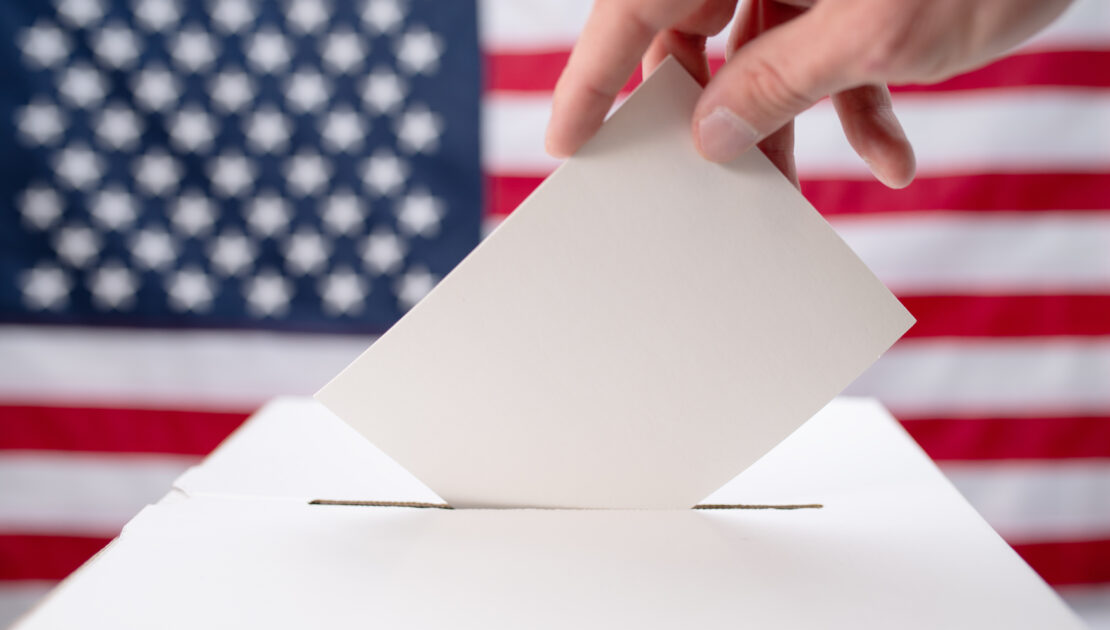
Associated Press and network projections as of Nov. 4 show Democrats winning control of both the U.S. House and the U.S. Senate. Democrats are on track to hold at least 54 of 100 Senate seats (up from 47), at least 228 of 435 House seats (up from 203) and at least 27 governorships (up from 23). Two Senate races, three governor races and dozens of House races remain uncalled, so final totals could change before the new Congress convenes in January. For employers, the question is how much of that shift will turn into benefits policy.
President Trump can veto legislation, and Senate rules generally require 60 votes to advance most bills, so even a Democratic majority of 54 to 56 seats would need Republican support. Because of those hurdles, major changes will likely depend on government funding negotiations. Funding bills are a source of leverage because Congress must pass them to keep agencies open, which makes them one of the few reliable vehicles for other policy, and a veto of one can mean a shutdown. Recent history shows both outcomes. The Consolidated Appropriations Act of 2026 carried landmark pharmacy benefit manager reforms, while a fall 2025 shutdown fight over enhanced Marketplace premium tax credits ended without an extension.
Current federal funding runs through Dec. 11, which makes the lame-duck session the next checkpoint. Lawmakers may extend funding again, which would move the next round of leverage into the new Congress in 2027. The issues below are the ones most likely to ride on those bills or draw new hearings.
Issues to Watch
Pharmacy benefit manager (PBM) oversight draws interest from both parties. The Consolidated Appropriations Act of 2026 requires PBMs to pass 100% of rebates through to group health plans and to give plans detailed spending reports, with commercial market requirements taking effect in 2028 and 2029. On Oct. 29, the Department of Labor finalized a PBM fee disclosure rule for large self-funded plans. The new Congress may add enforcement measures or consider extending Medicare drug price negotiation to commercial plans.
Enhanced Affordable Care Act (ACA) premium tax credits expired at the start of 2026, and Marketplace enrollment has since fallen by nearly 3 million. Lawmakers may restore the credits in part, which could draw some workers toward individual coverage and away from employer plans. Efforts to protect ACA preventive care coverage may also advance.
Moderates in Congress may promote the Custom Health Option and Individual Care Expense (CHOICE) arrangements, previously branded as ICHRA, which allow employers to contribute toward employees’ individual coverage, and could change their tax rules to work better with Marketplace plans. The group health tax exclusion, which congressional analysts value at about $6.6 trillion over the next decade, may also face new questions.
Democrats may advance national paid leave (the FAMILY Act), paid sick leave (the Healthy Families Act) and the PRO Act on worker classification. Stronger enforcement of the Mental Health Parity and Addiction Equity Act is also possible, even though the Trump administration paused enforcement of the 2024 rule. Medicaid work requirements begin Jan. 1, 2027, regardless of the election.
State Results
Immediately after the election, Democrats appeared to have full control of 12 state governments and Republicans 14, with three states split and 21 still incomplete. Governors in most states appoint insurance commissioners, and four states elected theirs this year. State insurance regulators have been developing oversight frameworks for artificial intelligence (AI) in healthcare and insurance administration, while the Trump administration has argued that federal efforts should preempt state rules. The election results could strengthen state officials’ case that voters want them to act, which may mean new state requirements on how carriers and vendors use AI.
What This Means
Medical cost trends, drug spending and subsidy changes are likely to shape 2027 renewals more than the election itself, and forecasts already point to premium increases approaching double digits. Employers can prepare by reviewing PBM contracts for rebate pass-through, reporting, and audit rights, confirming parity compliance and tracking proposals on ACA subsidies, CHOICE arrangements, and paid leave.
For additional resources and guidance, contact our team.
Article Published By: Zywave, Inc.
