
Property and Casualty

October 14, 2025
Understanding General Partner Liability Insurance
General partners (GPs) in private capital firms face a distinct set of legal and financial risks. Whether managing a venture capital fund, real estate portfolio or private equity investment, they operate in high-stakes environments where decisions are subject to intense scrutiny. In many cases, liability is not limited to the firm itself; GPs may be...

October 9, 2025
Workers’ Compensation Still the Steadiest of the P&C Lines
Workers’ compensation remains a profit leader across the property and casualty insurance market, with 2025 poised to produce another year of underwriting profits even as net premiums drop, according to a segment report from AM Best. “Workers’ compensation is the key line of business driving the profitability of the whole property and casualty industry, and...
September 16, 2025
National Preparedness Month: Building Resilience Together
September is National Preparedness Month, a timely reminder that preparation is key to protecting our people, businesses, and communities. At CMR Risk & Insurance Services, we know that while no one can predict the future, every organization can take steps to reduce risks and respond effectively when the unexpected happens. Why Preparedness Matters From natural...
September 11, 2025
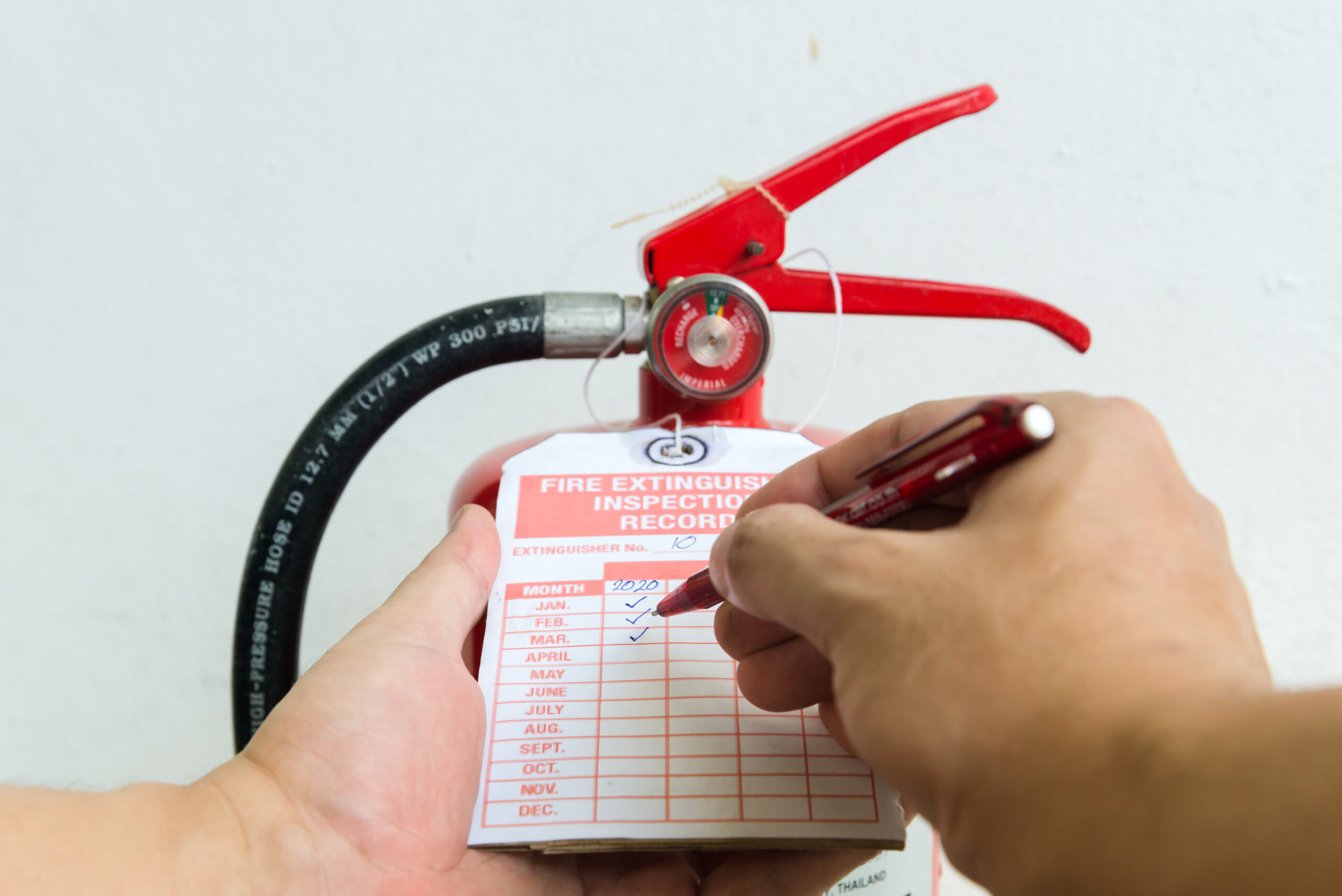
The Impact of HVLS Fans on Fire Protection
High-volume, low-speed (HVLS) fans are large ceiling fans designed to rotate slowly and efficiently while moving significant amounts of air across vast spaces. They have become increasingly common in various types of commercial buildings, especially warehouses, factories and gymnasiums. HVLS fans differ from traditional ceiling fans due to the extended diameter of their fan blades...
September 9, 2025
U.S. P&C Insurers Post $11.5 Billion Underwriting Profit in the First Half of 2025
Despite a slowdown in premium growth and a loss-heavy first quarter, the U.S. property and casualty insurance industry posted an underwriting profit of $11.5 billion in the first half of 2025, according to data from Verisk and the American Property Casualty Insurance Association (APCIA). The $11.5 billion profit surpassed the $3.8 billion underwriting profit in...

June 10, 2025
Commercial Property Insurance Midyear Market Outlook
The commercial property insurance segment has been grappling with limited underwriting profitability and hardening conditions for much of the past decade, mainly due to surging catastrophe (CAT) losses, inflation issues and property valuation challenges. As such, ongoing premium jumps and restrictive coverage terms have become the norm for most policyholders. Shifting market dynamics helped ease...

May 28, 2025
Severe Convective Storm Losses for 2025 Already Exceed $20 Billion
Insured losses from the severe convective storms (SCS) that occurred between May 14–17, 2025, are estimated to range from $4 billion to $7 billion. According to recent estimates from reinsurance brokers, these storms are likely to rank among the costliest SCS events in U.S. history. “Two large severe weather outbreaks on May 14-17 and May...

May 27, 2025
Business Continuity Planning Benefits
Unexpected disasters can impact organizations, their operations and stakeholders. Natural catastrophes, cyberattacks, public health crises and supply chain incidents can all have serious consequences. These and other events can damage commercial property and digital assets, disrupt critical business functions and cause operational downtime. They can also result in illnesses or injuries, emotional harm, and financial...

May 8, 2025
OSHA Extends Outdoor and Indoor Heat-related Hazards National Emphasis Program
OSHA issued a notice in January that it would extend the effective date of its Outdoor and Indoor Heat-related Hazards National Emphasis Program (NEP) until April 8, 2026. Originally, this NEP was set to expire on April 8, 2025. OSHA states its review of this NEP shows success in identifying and targeting industries with employee...
May 6, 2025
Hurricane Preparedness Week 2025: Protecting Your Commercial Property from Storm-Related Risks
As we observe Hurricane Preparedness Week 2025, it’s a critical time for property managers and commercial real estate stakeholders to reassess their readiness for hurricane season. The increased intensity and unpredictability of recent storms have heightened the urgency to develop comprehensive risk management strategies that safeguard people, property, and profits. The Growing Threat of Hurricanes to...